Customer story · The Blind Horse Restaurant & Winery
The Blind Horse: From Invoice to Pour with opsi
The Wisconsin winery connects invoice processing, recipe quantities, and wine inventory through opsi and GoTab.
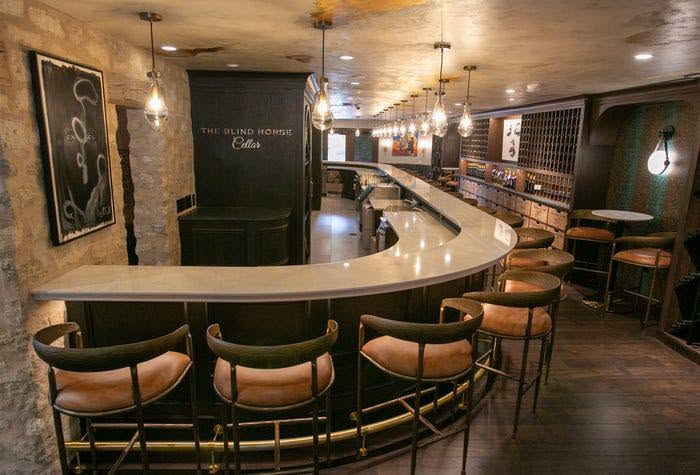
The Blind Horse Restaurant & Winery brings together experiences that ask different things of the same operation: a restaurant dinner, a tasting, a bottle to take home, or a private celebration. Behind each one are ingredients, wine, inventory records, and a team responsible for keeping them connected.
A business that grew beyond the dining room
The Blind Horse’s history starts with a Wisconsin farm purchased in 1862. Its name honors Birdy, a blind Percheron horse that once worked the property. The hospitality business came much later: the restaurant opened in 2012, followed by the winery and patio in 2014, the restored Granary in 2018, and the Cedarburg Cellar in 2025.
That growth created several ways to welcome guests. At the Kohler property, the restaurant pairs food with wine made on site. The winery offers another setting for a visit, the patio brings service outdoors, and the Granary hosts private events. Cedarburg adds a second location to the operation.
A shared wine selection does not make those experiences identical. A tasting visit, a dinner reservation, and an event place different demands on service and stock. The challenge is to preserve those differences while giving the teams behind them a connected view of the business.
Moving beyond separate systems
In GoTab’s interview with sous chef Jason Bagan, the business described replacing three systems spanning OrderPort and Aloha. Tasting-room transactions and paced, multi-course dining needed different service workflows. Bagan brought a background in IT to the selection, looking closely at integrations, reporting, and access to data.
The chosen combination gave each platform a role: GoTab for sales and service, opsi for operational records, and Fishbowl for guest data and analysis. The goal was to connect those responsibilities across locations.
Less time entering invoices
For Bagan, invoice and packing-slip entry was a concrete example of work that could be reduced. He described opsi removing much of the tedious line-by-line typing.
With Invoice Automation, opsi captures line items and our team handles processing and review. Published prices update recipe costs and inventory value, and invoice data becomes available for accounting export.
Those records support more than the next accounting task. A vendor price is also an input to a recipe cost and an inventory valuation. Connecting that information gives kitchen, bar, management, and finance teams a shared starting point, with the underlying invoice available when they need the detail.
Different pours, connected recipes
The Blind Horse links wine products to recipes for servings such as a 3.5-ounce pour and a 1.25-ounce tasting, connecting GoTab sales with the volume used.
That distinction matters: selling one tasting and selling one glass are both transactions, but they draw different quantities from stock. A recipe for each serving translates the sale into a quantity the team can use when reviewing inventory.
In opsi, Recipe Book holds quantities and yields, while Food Costing connects recipe ingredients to vendor prices. With mapped POS sales, operators can compare recipe-based usage with recorded inventory activity. The same connection applies to food recipes, cocktails, and other prepared items with defined quantities.
Following wine through the operation
As a wine producer, The Blind Horse also needs to follow bottles from the warehouse through to sale. Inventory records and transactions provide different parts of that picture.
Opsi’s Inventory brings counts, transfers, waste, and adjustments into the same workflow. A transfer records where stock moved; a count records what the team found; recipe-based sales usage shows what sold portions should have consumed. Together, those records give operators a way to investigate differences and understand the activity behind a balance.
Keeping the guest relationship connected
The Blind Horse’s wine club adds a relationship that continues between visits. Members receive wine-purchase credit, discounts, tastings or glass pours, and invitations to events. They can choose wines while dining, visiting the cellar, or shopping online. The club’s current signup and member-login links use Fishbowl.
Those touchpoints explain why the wider system matters. Guest relationships extend across visits and locations, while the operational work still depends on knowing which products were sold and how much stock they used. Both sides need dependable records, even though they answer different questions.
Building the connection together
The September 2026 interview captured an active rollout, roughly 90–120 days in. Bagan highlighted responsive support from opsi, GoTab, and Fishbowl. At that point, completing wine-club integration was a priority ahead of introducing QR ordering.
For The Blind Horse, the work reaches from the guest’s experience back to the records behind it. The opsi and GoTab integration connects sales with recipes, costs, and inventory, helping operators follow that path from invoice to pour.
Adapted from GoTab’s interview with Jason Bagan, published October 9, 2026, with business background from The Blind Horse’s website. Implementation details reflect the September 2026 interview. Venue photograph courtesy of GoTab.
Put the lesson to work
Give your team one less thing to work around.
Bring the process that slows the day down. We will show you how opsi connects it to the rest of the operation.
Get a demo